What Causes Carpenter Ants in North York Homes?
Carpenter ants are a major pest concerns for homeowners who need pest control North York help, and with good reason. These ants do not eat wood the https://brampton-onsg215.yousher.com/leading-eateries-in-markham-on-top-places-to-eat-and-menu-options way termites do, but they do tunnel into moist or weakened timber to build concealed nests. In North York homes, that problem is often associated with older construction, townhouses with shared walls, detached houses with mature landscaping, and seasonal weather that creates the perfect conditions for ant activity.
If you have noticed large dark ants inside, notably near the kitchen, bathroom, basement, or attic, the reason is usually not by chance. Carpenter ants are typically drawn to dampness, decay, and accessible entry points. In North York, those conditions are common because of Toronto weather, notably humid summers and the freeze-thaw cycles that can cause foundation cracks, loosen trim, and worsen moisture damage.
Learning what attracts carpenter ants is the first step toward stopping them. It also helps you decide whether the ants you see are simply looking for food or whether there is a nest location inside your home that requires a professional inspection.
What Are the Carpenter Ants and Why Do They Turn Up in North York?
Carpenter ants are colony-dwelling insects that live in large colonies and create foraging trails as worker ants go between food sources and the nest. When they show up in a home, they are often searching for moisture, shelter, and soft, damaged wood. They may also be nesting nearby and using your home as a source of movement paths.
North York is a particularly favourable area for carpenter ants because of the combination of property types and environmental conditions. Older homes may have deteriorating wood, worn seals, and more cracks and crevices. Townhouses and semi-detached buildings can have shared walls and more hidden spaces. Detached homes often have basements, attics, attached garages, and landscaped yards that can all create entry points.
Seasonal pest activity also plays a role. In spring and summer, ants become more visible as temperatures rise and colonies expand. Toronto weather adds to the issue with warm, humid periods that increase humidity in wall cavities and basements, followed by cold snaps and temperature swings that can strain building materials. That cycle can leave behind decaying wood, small openings, and damp conditions that carpenter ants love.
In short, carpenter ants show up in North York because the area offers a combination of shelter, moisture, and access. They are not usually attracted to clean, dry, well-sealed homes. They are drawn to the conditions that make a home more accessible and easier to nest in.
What Attracts Carpenter Ants Indoors?
Within the home, carpenter ants are usually attracted to places where wood is wet, hardened, or already affected by structural damage. That is why, they are often found in the kitchen and bathroom, where plumbing and moisture are often present. Even small leaks can create enough dampness for ants to set up satellite nests or move in from outside.
Excess moisture is a common trigger. When wood absorbs water again and again, it weakens and becomes more likely for ants to tunnel into. Rotten wood is especially attractive because it is more pliable and frequently hidden behind walls, baseboards, or trim. Carpenter ants are not necessarily looking for visible decay on the surface; they are typically following a wet spot into a out-of-sight section of the structure.
Properties in North York with aging restrooms, compact kitchens, or completed lower levels may have more hidden humidity concerns than property owners notice. If ants are turning up near drains, behind cupboards, or around skirting boards, it is a good idea checking for wetness, leaks, and soft wood.
Can Plumbing leaks and Condensation Cause Carpenter Ant Problems?
Yes. Seeping pipes, water intrusion from the roof, condensation, and high humidity can all lead to carpenter ant activity. A gradual plumbing leak under a sink or inside a wall can produce a steady moist environment. That is often enough for ants to start building nests in the surrounding wood or insulation.
Moisture buildup is most common in cellars, bathrooms, and attics where changing temperatures cause water to collect on cold surfaces. In North York, older homes and homes with poor airflow may hold more moisture in these spaces. Once that happens, carpenter ants may use the damp area as a nest site or as a staging point for further movement through the home.
Roof leaks can be equally important. Water coming in through damaged shingles, flashing, or vents may soak attic framing and insulation. With time, that can lead to hidden damage that attracts carpenter ants. If you have noticed musty smells, stained drywall, or soft spots around upper ceilings, a moisture problem may be one reason ants have appeared.
Can Old or Damaged Wood Bring Carpenter Ants In?
Absolutely. Rotting wood is one of the strongest risk factors for carpenter ants. When wood softens from age, water exposure, or previous repairs, it becomes much easier for ants to tunnel through. This is why structural damage often comes with ant infestations.
In many homes, the problem is out of sight. Carpenter ants may not begin in a visible beam or floorboard. They might start in damaged insulation, behind paneling, or inside wall voids where moisture has collected. The ants then expand the nest gradually, leaving the outside of the home looking fine while activity continues behind the scenes.

North York homes with older additions, poorly sealed renovations, or repairs around windows and foundations are especially at risk. Even if the wood does not look severely damaged, a localized damp area can be enough to encourage nesting.
Where Do Carpenter Ants Nest in a House?
Carpenter ants prefer protected spaces where they can stay hidden while building galleries in damp wood or insulated cavities. In North York homes, the most common nesting locations include the basement and attic, along with trim details such as window frames and door frames.
Basements are common problem areas because they often have more humidity, old framing, utility penetrations, and a greater chance of moisture intrusion. Many North York houses also have attached garages or finished basements, which can create additional concealed spaces. If the basement has minor seepage, poor ventilation, or an unnoticed plumbing leak, it becomes an perfect nesting zone.
Attics are another common spot, especially when roof leaks, condensation, or inadequate airflow have affected the wood. Carpenter ants may also move along rafters, fascia boards, and soffits. In some cases, the nest is not actually inside the attic itself but in nearby wall spaces or roof edges.
Window frames and door frames can be vulnerable where sealant has failed or moisture has entered around the trim. These spots often provide just enough access for ants to settle in or move indoors from the outside. If you see ant activity around one frame repeatedly, that may be an important clue about the nest location.
What Entry Points Do They Use?
Carpenter ants can enter through small openings. Common entry points include foundation cracks, gaps around utility lines, openings near siding, damaged vent screens, and spaces around windows or doors. Even tiny sealed gaps can reopen over time as materials shift with age and seasonal temperature swings.
North York’s freeze-thaw cycles can expand existing cracks and form new access routes. Once a route is established, ants may keep using it, especially if they find moisture or food sources nearby. That is why repeated sightings in the same place often indicate more than simple outdoor activity.
Examining the exterior of the house carefully is crucial. Search for spaces in the perimeter, unstable trim, deteriorated caulking, or cracks in masonry and foundation surfaces. These minor issues can become major access points if they are ignored.
What Outdoor Conditions Around North York Homes Make Pest problems More common?
Exterior conditions count just as much as indoor factors. Around North York, many residential streets have well-established landscaping, shaded lots, and older trees. Those features are attractive, but they can also increase the likelihood of carpenter ants if the property has damp wood, excess shade, or heavy ground cover near the home.
Mulch set too near to the foundation can retain dampness beside the house and create protected pathways for ants. Firewood storage near the home is another frequent concern, especially when wood is stacked immediately beside exterior walls. Carpenter ants may take up residence in firewood or spread from it into the structure.
Overhanging branches hitting the rooftop or siding can act as bridges that enable ants to move between external colonies and the house. Pruning branches back from the roofline and siding is an key step in reducing access. The same is true for areas where there is wood-to-soil contact, such as deck posts, porch structures, or landscape timbers touching the ground.
Within neighbourhoods with shaded yards and older trees, these conditions can remain humid for extended periods. As a result the surrounding environment around the home may be drawing in ants even before they reach the structure. Good site maintenance helps reduce the chances that an outside nest becomes an indoor problem.
What Are the Signs of a Carpenter Ant Infestation?
The most obvious signs of infestation are often the ants themselves, especially if you see large dark ants moving along walls, baseboards, or countertops at the same time each day. Still, carpenter ants are not always easy to spot because much of the colony may be hidden in walls or other concealed spaces.
Check for travel paths along floors, trim, pipes, and window edges. Worker ants often travel in organized lines as they move to food or water sources. You may also notice small piles of sawdust or ant residue near baseboards, window sills, or cracks. Frass is the debris ants push out of their nesting galleries, and it can be one of the clearest clues that a nest is nearby.
Other signs include faint rustling sounds in walls, discarded wings near windows, or repeated ant sightings in the same area. If the ants appear mainly after dark or early in the evening, the nest may be active in a hidden wall space or another protected part of the house.
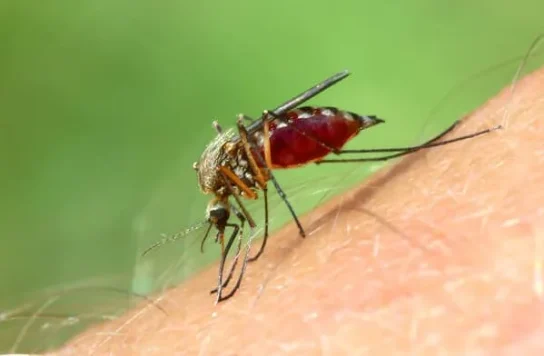
Because carpenter ants often nest in concealed places, the absence of visible damage does not mean the problem is minor. By the time you see repeated activity, the colony may already be established.
How Do North York Residents Prevent Carpenter Ants?
Routine property maintenance is the most effective long-term defence. Start by lowering moisture inside and outside the home. Ensure gutters and downspouts carry water away from the foundation, enhance drainage where needed, and address leaks quickly. Because carpenter ants are strongly associated with damp conditions, lowering moisture is one of the best prevention tips.
Inspect the home’s exterior regularly for gaps, cracks, and worn sealant. Pay close attention to the perimeter, window and door trim, siding joints, and foundation lines. Recaulking and sealing openings can stop ants from finding easy access routes. Keeping sealed gaps intact matters because small openings can become major entry points over time.
Indoors, monitor bathrooms, kitchens, basements, and attics for leaks, condensation, and poor ventilation. Address dripping pipes, check around sinks and tubs, and look for signs of roof intrusion after storms. If you have an unfinished basement or attached garage, make sure those spaces stay dry and organized.
Outdoors, move firewood storage away from the house and keep it off the ground if possible. Remove or trim back tree branches that touch the roof or walls. Avoid piling mulch too high against the foundation, and reduce wood-to-soil contact where structures meet the ground. These steps help make the area less appealing to carpenter ants and support better future prevention.
When Should You Reach Out To Pest Control North York?
You should reach out to pest control North York immediately once you notice carpenter ants are nesting indoors or entering repeatedly from the same area. A few ants may not look like much, but recurring activity often means there is a hidden colony nearby. Because carpenter ants can cause structural damage over time, waiting too long can make the problem harder to resolve.
A professional inspection is especially important if you have seen frass, heard activity in walls, or found ants in more than one room. Experienced technicians can help locate the nest location, determine whether the issue is inside or outside, and develop an effective treatment plan. In many cases, true extermination requires locating and addressing the source, not just treating the ants you can see.
North York homes with basements, attached garages, older framing, or recent water issues often benefit from prompt expert help. This is particularly true after storms, roof damage, plumbing leaks, or a season of high humidity. If the infestation keeps returning, professional support can save time and prevent more extensive repairs.
If carpenter ants keep appearing in your home, the issue is usually not just the ants themselves. It is often a sign of moisture, wood decay, or hidden access routes that need to be corrected before the infestation can be fully resolved.
For homeowners in North York, the most practical approach is to combine moisture control, sealing, and regular inspection. That gives you the best chance of stopping carpenter ants before they turn a manageable issue into a recurring one.
FAQ
What causes carpenter ants in North York homes?
Carpenter ants are usually caused by moisture, damaged wood, and easy access into the structure. In North York homes, older building materials, humid summers, freeze-thaw cycles, and common features like basements and attached garages can all create conditions that attract them.
Do carpenter ants suggest I might have rotting wood?
Not in every case, but rotting wood is a major reason they settle in. Carpenter ants are highly attracted to damp, softened, or rotting wood. Even if the damage is hidden behind walls or trim, moisture damage can still be enough to support a nest.
In what areas do carpenter ants typically nest in a house?
They often nest in basements, attics, wall voids, and around window frames or door frames. Any area with moisture, soft wood, or hidden shelter can become a nest site, especially if there are leaks or poor ventilation.
What do I know if carpenter ants are present or just passing through?
If you see them repeatedly, notice foraging trails, find sawdust or frass, or hear faint movement in walls, they are likely active nearby. A few occasional ants may be passing through, but regular sightings usually suggest a nest or satellite nest close to the home.
When should I call pest control North York for carpenter ants?
Call pest control North York when you see repeated ant activity, frass, signs of moisture damage, or ants in several areas of the home. A professional inspection can identify the nest location and determine whether extermination is needed before the infestation spreads.